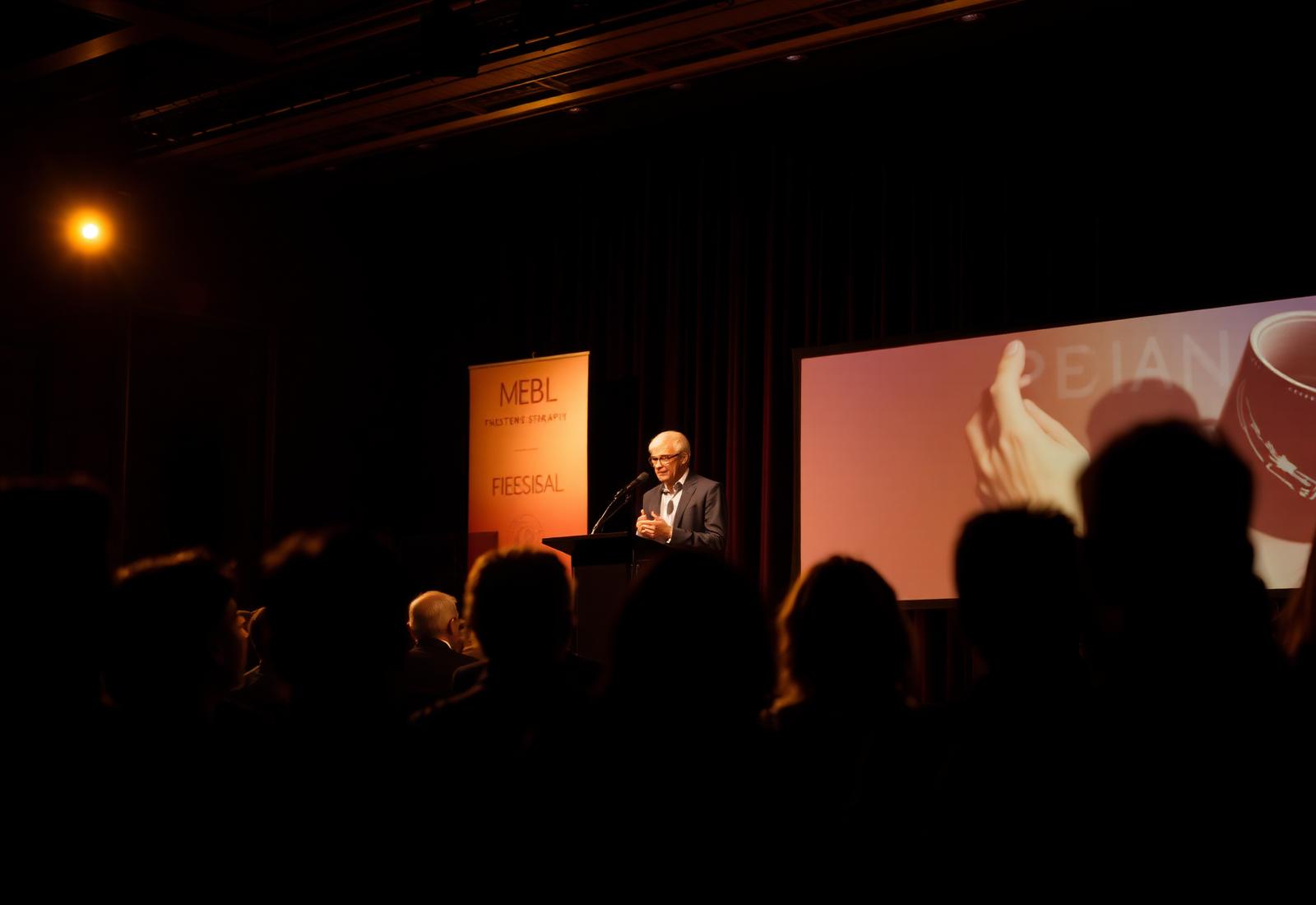

Book publicity has quietly changed shape. The measurable part, the coverage that continues to work six months and six years after launch, no longer looks like the classic press release blast. It looks like a portfolio of editorial appearances, expert commentary and podcast conversations that live at durable URLs and keep sending readers, journalists and AI systems back to the author. That is the kind of publicity we build at Bookters, and it is very different from the kind most authors are sold.
The Problem
Traditional book publicist engagements are still priced and scoped around launch week. A press release is drafted, a media list is worked, a burst of coverage lands, and then the campaign ends. Nine months later the author looks at their sales and realises very little of that coverage compounded. Meanwhile the authors who show up in Google features, AI answers and journalist source lists are the ones who built ongoing editorial presence, not the ones who spent the biggest launch budget.
Research & Evidence
- A 2024 Muck Rack survey found that 63 percent of journalists prefer sources with an existing digital footprint of prior coverage and commentary over cold pitches.
- Chartable data shows podcast interviews retain 70 to 90 percent of their referral traffic for 12+ months, versus days for most press releases.
- Search Console studies of author sites consistently show that a single well-placed feature interview outranks the book's own product page for the author's name within weeks.
What modern book publicity actually is
Book publicity used to mean earned coverage secured by a book publicist during a defined launch window. That definition still exists, but the market has moved past it. Modern book publicity is a compounding editorial footprint. Feature interviews, expert quotes, contributed essays, podcast conversations and archived press pages that all point back to a canonical author entity.
The reason for the shift is simple. Search engines and AI models reward evidence over noise. A single feature in the right outlet, discoverable and indexed, will do more for an author's long-term authority than ten press releases nobody remembers.
Why launch-week publicity fails
Launch-week publicity is optimised for a spike, not for a floor. Coverage lands, sales lift, the story cycles out, and the URL where the coverage lives often disappears behind a paywall or gets buried. Two months later, searching the author's name returns their Amazon page and their outdated bio, not the coverage.
The publicist did their job. The system around the publicist did not. There was no schema-marked press page on the author site. No canonical bio for reporters to cite. No ongoing pitching to keep the editorial layer alive between books. The result is publicity that behaves like a firework.
The portfolio approach to book PR
The authors who build durable authority treat publicity like a portfolio. Every piece of earned coverage is captured, archived on-site, marked up with schema, cross-linked to the book, and used to seed the next pitch. The portfolio itself becomes the pitch, because journalists Google every source before they respond.
The portfolio also does the work AI models need. Consistent name, consistent bio, consistent topics, spread across enough credible sources that ChatGPT and Perplexity form a stable picture of who this author is and what they know. That is the modern definition of author PR success.
Picking the right book PR services
Not every book needs the same publicity mix. Non-fiction authors need expert-commentary and long-form features. Debut novelists need trade reviews, podcast conversations and bookseller-facing outreach. Series authors need coverage that ties each new book back to the last. Speaker-authors need the kind of feature interviews that translate into stage bookings.
The wrong publicity mix looks busy on a coverage report but produces very little compounding value. The right mix looks quieter and travels much further, because every placement is chosen for what it will still be doing a year later.
How Bookters runs book publicity
Bookters treats publicity as the visible layer of a broader visibility engine. Every campaign begins with positioning and metadata so pitches say something specific enough for editors to say yes. We build the media map, run the outreach, prep the author for every appearance, and then archive the coverage on a proper press page so search engines and AI systems can find it.
The engagements we recommend most often are covered in detail on the Book Publicity & PR service page. If a book is early in its life, the Book Insight Blueprint diagnoses whether publicity is even the right next step, or whether positioning and metadata should be fixed first so the coverage lands harder when it comes.
Framework
The Durable Publicity Loop
- 01Positioning. Sharpen the angle so pitches earn attention from editors who cover your field.
- 02Media map. Build a targeted list. Only outlets whose readers match yours.
- 03Pitch and secure. Run outreach and prep the author for every conversation.
- 04Archive. Capture every appearance on a schema-marked press page.
- 05Compound. Use each placement as evidence in the next pitch and as a signal to AI systems.
Action Steps
- →Add a canonical bio and headshot to your site so journalists and models cite the same version everywhere.
- →Build a press page and mark it up with Article + Person schema. Update it every time coverage lands.
- →Pitch three outlets per month that cover your topic, not every outlet in your genre.
- →Track branded search lift and AI mentions, not just clippings.
- →Talk to a book publicist about a 90-day sustained-authority sprint if launch is more than six months away.
Common Mistakes
- ×Buying launch-week press bursts with no plan for what happens next.
- ×Leaving earned coverage un-archived on the author site.
- ×Pitching outlets whose readers do not match the book.
- ×Ignoring podcasts because they feel smaller than print. Podcasts often outperform print for compounding traffic.
- ×Skipping the schema markup that lets search engines credit the author properly.
Frequently Asked Questions
What is the difference between book publicity and book marketing?+
Book publicity is earned editorial coverage: features, interviews, reviews, podcasts. Book marketing is the broader system including metadata, distribution, retailer optimization and paid channels. They work best together.
Do I need a book publicist if I already have a marketer?+
If your goal is editorial authority, podcast placements and expert commentary, yes. Marketers rarely have the editorial relationships or interview-prep instincts a publicist provides.
How much does book publicity cost?+
It depends on scope. Focused pre-launch pushes run for 90 days. Sustained authority engagements run 6 to 12 months. Bookters quotes after a consultation so the plan fits the book.
Can self-published authors get real book publicity?+
Yes. Editors care about the story and the author's credentials, not the imprint. A large share of our publicity roster is self-published.
Conclusion
Publicity that lasts is not louder. It is better placed, better archived and better connected to everything else that makes an author findable. Build it that way and every future book launches from a stronger position than the last.
Book a Strategy Call
Turn this into a plan for your book.
A confidential 30-minute strategy call. We review your book's current visibility footprint and map the highest-leverage next moves.
Book a Strategy CallWhere this topic becomes work
Full-service marketing built to compound across every channel.
Editorial coverage that keeps working long after launch.
ARC, reviewer and Goodreads campaigns designed to outlast launch week.
Book Insight Blueprint™Book Visibility Engine™Prefer to talk it through first?
Book a Strategy CallSee it in a real engagement
Newsletter
Subscribe for publishing insights.
Long-form essays on visibility, positioning, and durable author strategy. No spam.